Month: December 2025

Winter 2026 Pest Forecast

The Winter 2026 pest forecast looks like an above-average year in terms of activity. Warmer winter weather and rapidly changing conditions will likely increase pressure in terms of rodents and infestations of insects like lady beetles, spiders, stink bugs, and cluster flies.

Summary of Key Winter 2026 Pest Predictions 

  • La Nina, a shifting jet stream, and the influence of the Polar Vortex are combining to create a volatile 2026 winter season. 
  • Massachusetts, Rhode Island, Connecticut, and New Hampshire will likely experience warmer-than-normal weather with sharp temperature drops and unpredictable storms.
  • Expect increased indoor pressure from rodents and insects such as stink bugs, cluster flies, and spiders throughout winter. 
  • Pests like ticks may emerge during warmer winter weather and pose an even greater threat in spring.
  • Sealing high-risk home zones and addressing structural vulnerabilities can prevent many pests from moving indoors. 
  • When you see signs of pests during winter 2026, call for professional pest control as soon as possible to control the situation.

Temperature Outlook & Seasonal Pest Pressure Indicators 

The last few winters have been cold but relatively dry for the region. During this time, below average snowfalls left much of Massachusetts, Rhode Island, Connecticut, and New Hampshire in a bit of a snow drought.

However, the National Oceanic and Atmospheric Association (NOAA) predicts the 2025-2026 winter weather in the region will be influenced by La Nina. This weather pattern takes place in the Pacific Ocean and is characterized by gusty winds that push warm water west from South America to Indonesia. At the same time, cold water rises from deep below the ocean’s surface, making the ocean water near the equator colder than normal. That impacts weather in a number of regions, including North America. 

Additionally, La Nina alters the jet stream that crosses the United States. As a result, much of New England will be left sandwiched between milder weather in the Southeast and colder conditions inland.

Although many meteorologists are unsure of exactly what to expect, most anticipate a highly volatile 2025-2026 season. It’s possible the region will experience sharp dips in temperatures when the Polar Vortex moves southward, punctuated by periods of unseasonably mild temperatures. Unpredictable storms could bring significant moisture, although the snowfall will likely be below average amounts.

A snowy scene on Charles Street in Boston, which may happen again during the volatile winter ahead, sending pests like rodents scurrying indoors and increasing pressure on homeowners and businesses.

What This Could Mean for Pests Coming in Winter 2026 

Temperature anomalies and volatile weather combine for an unpredictable season ahead, as both can disrupt pest patterns. Common winter pest issues may shift because warmer winters can lead to early awakenings of hibernating pests like stink bugs and lady beetles, extending pests’ active seasons longer than normal.

The first freeze usually starts slowing pest activity, but delays in the first freeze and warmer winters can have a significant impact on that reduction. Populations of ants, mosquitoes, and ticks may thrive longer than normal in certain conditions. These pests may also emerge periodically during warmer winter weather. The result is that people and pets may be at risk of pest encounters and potential disease transmission for longer periods than anticipated.

Rodent Activity Forecast for Winter 2026 

Rodent season is already underway in late 2025. Mice and rats typically begin moving indoors in fall when the temperatures begin to drop.

However, projected winter temperatures can impact the usual nesting patterns. Warmer winters and milder autumn weather lead to extended periods of activity and prolonged breeding seasons. As a result, a growing rodent population could mean increased indoor pressure as these critters begin seeking shelter at later than usual times. Warmer winter weather, combined with volatile shifts in temperatures and snow, may also cause rodents to continue to be a challenge well into the spring. 

Increased Indoor Pressure 

Rodents naturally seek warmth and safety during cold weather, which means garages, attics, and wall voids are fair game — nothing is off limits. Mice and rats instinctively look for insulated areas with easy access, and they will use every resource nearby to create a cozy nest to spend the season. Newspapers, cardboard, and insulation make excellent nesting materials.

Movement Timing 

A warmer fall and mild start to winter may delay rodents’ typical timeline. Here in the Northeast, “rodent season” usually starts in August or September and peaks from November through February. The fluctuations from mild to frigid and dry to snowy may well have homeowners seeing an increase in activity. Rodents may return outdoors during warm spells and scurry back inside when the cold sets in again, making effective rodent control critical.

Overwintering Insect Outlook (Stink Bugs, Cluster Flies, Spiders) 

The National Pest Management Association released its latest Bug Barometer. NPMA releases this data-backed report twice a year. It takes long-term forecasts, weather patterns, and general pest biology into account. Their findings indicate a strong potential for a significant uptick in not only rodents, but also spiders, stink bugs, ants, flies, and ticks. Homeowners can expect increased pressure, but preventative steps and effective pest control can help them maintain pest-free winter homes.

Expected Patterns 

When temperatures dip below 50 degrees Fahrenheit, many insects enter a slowdown period and begin seeking shelter. Some pests may burrow underground or seek shelter in leaf piles, logs, and other protected outdoor areas. Those that seek out indoor spaces typically look for dark, out-of-the-way areas like spaces behind walls and suspended ceilings, crawlspaces, and attics.

Regional Severity 

The severity of insect inundation will vary, depending on how weather patterns actually play out. During warm snaps and unseasonably mild weather, as is anticipated for parts of winter 2026, these insects may emerge. Cluster flies may gather near windows, stink bugs may begin moving around, and spiders, ants, and other overwintering insects may move around more frequently. Outside, watch out for various insects during warmer winter weather. Ticks pose a particular risk because they become active in temperatures as low as 40 degrees Fahrenheit and pose a significant health risk by transmitting diseases.

High-Risk Home Zones & Structural Vulnerabilities in 2026 

Many pests target the core elements of the home — its foundation, roofline, utility penetrations, exterior walls, doors, and windows. Other interior spaces that are also high-risk zones include moisture-prone areas like bathrooms, kitchens, basements, and crawl spaces. By understanding the areas of high risk and vulnerability, it’s possible to keep a more watchful eye out for spotting potential problems.

High Risk Interior Areas 

Some of the most common areas that pests invade include attics and wall voids. The pantry, kitchen, and dining area are significantly attractive zones for many pests. Food, crumbs, and spills offer a buffet for rodents and insects searching for a snack. Bathrooms, crawl spaces, and basements offer a combination of humidity and warmth in many cases. Leaky pipes in bathrooms and kitchens are also extremely appealing to many types of pests. 

A homeowner seals around windows while professionals seal cracks in the foundation and install exclusion systems as part of their strategy to prepare for pest prevention in the winter of 2026.

High Risk Exterior Areas 

The foundation and the roof can offer easy access to curious critters. All it takes is an opening as narrow as a dime for a mouse to squeeze inside, and insects require even less room. Chimneys, soffits, vents, damaged siding, and improperly sealed doors and windows serve as open invitations for pests to invade before you even realize it. Structural vulnerabilities to watch include cracks and gaps in the foundation, holes around utility penetrations, and damage to the roofline.

Preventative Recommendations for Homeowners 

  • Inspect the exterior of the home, paying close attention to windows, doors, foundations, and the roof.
  • Seal any potential entry points.
  • Inspect the chimney, vents, and soffits.
  • Perform repairs to screening or add screening to prevent pests from entering. 
  • Inspect firewood piles regularly and store wood a minimum of 20 feet from the home.
  • Maintain a low-clutter home, keeping food sealed in airtight containers and routinely cleaning any food debris or spills.
  • Keep any yard debris away from the home. 
  • Eliminate standing water both indoors and out. 
  • Remain aware of potential triggers and problem zones. 
  • Contact Catseye Pest Control for professional support when needed. 

When to Seek Professional Support During Winter 2026 

Don’t wait until you see clusters of insects or live rodents before calling for help. The forecast suggests the potential for increased pest activity throughout the Northeast, which means insects and rodents are likely to move indoors early and remain active longer.

From late fall until the first freeze, anticipate that rodents will be actively looking for shelter. Because this winter will likely begin mildly, insects’ and rodents’ movements may be harder to predict and continue well into the season. Remain particularly vigilant during warm periods and after abrupt changes in weather patterns.

Action Thresholds 

Any sighting of potentially dangerous pests, particularly in bedrooms or living rooms, is cause for seeking professional assistance. Cockroaches alone can carry more than 30 pathogens and contaminate food and surfaces with the germs that cause E. coli, salmonella, and dysentery. If you see consistent signs of pest activity, notice damage to insulation or structural elements, or see insects or rodents, you should immediately call for professional assistance. 

Frequently Asked Questions

What environmental indicators suggest a higher-than-average rodent surge for winter 2026?

Mild winters have been creating increasing rodent populations for the last few years. Winter 2026 is shaping up to be a weak La Nina year, bringing a mixture of milder than normal temperatures and below average snowfall punctuated by periods of cold weather influenced by the Polar Vortex. The warmer fall and delayed onset of winter may prolong the breeding season for pests and increase the rodent population.

How will projected warm–cold temperature swings influence overwintering pest emergence cycles?

Many pests are sensitive to temperature differences. Ticks, for example, typically become inactive in temperatures below freezing. When a warm spell hits, however, they can emerge and pose a threat to both pets and people who may be unaware they are active. Temperature swings may also lead to an earlier emergence of many pests in spring and impact breeding cycles, causing a population surge.

Which structural weaknesses are most likely to contribute to winter 2026 indoor pest infiltration?

Gaps around utility lines that run from indoors to outside; cracks and holes in walls, siding, and foundations; and openings in rooflines are among the chief concerns. Uncapped chimneys can provide a perfect opening for pests, while ice dams can create the kind of damage that gives pests easy access to homes.

What weather threshold typically triggers a rapid shift from outdoor to indoor pest activity in winter climates?

Abrupt temperature shifts, consistently cool days, and moisture levels can all send pests rapidly moving indoors. For example, damp, rainy weather often boosts the activity of moisture-loving pests like cockroaches and termites. Snow and extreme cold will send rodents and some nuisance wildlife in search of shelter and warmth.

How can homeowners determine whether early-season pest sightings indicate a developing winter 2026 infestation?

With many pests, including rodents, once you begin seeing signs, you already have a burgeoning problem. Droppings, greasy-looking trails, gnaw marks, nesting materials, and unusual noises and smells can indicate the presence of pests, even before you see a live insect, rodent, or wildlife.

What regions in the Northeast are expected to experience the highest overwintering insect pressure based on the 2026 forecast?

Every region across the country is expecting increased pressure of some kind. In the Northeast, particularly Massachusetts, Connecticut, New Hampshire, and Rhode Island, expectations include extended ant and mosquito activity, fluctuating levels of stink bugs, box elder bugs, and lady beetles. Ticks will flourish during warm winter weather and pose an even larger problem in spring, while rodent activity will continue to challenge homes and businesses.

The post Winter 2026 Pest Forecast appeared first on Catseye Pest Control.

This article appeared first on Catseye Pest
Reliable Pest Control in New Hampshire 

Choosing a pest control company in New Hampshire isn’t just about removing pests — it’s about protecting your home, business, and peace of mind. With changing seasons, dense forests, and a mix of rural and urban environments, NH faces unique challenges from insects, rodents, and nuisance wildlife year-round. That’s why finding reliable pest control in New Hampshire is essential. 

Catseye Pest Control has earned its reputation as a top pest control company in NH by combining decades of experience with proven, environmentally responsible treatments. Our licensed technicians use advanced inspection methods, preventative strategies, and safe, targeted solutions designed for New Hampshire’s climate and pest activity. 

If you’re looking for trusted exterminators, premier pest control services, and long-term protection, Catseye provides the expertise, transparency, and customer care NH residents rely on. Below, explore what sets our services apart and why homeowners and businesses across the state choose Catseye for their pest control needs. 

Why Choose Catseye Pest Control Throughout New England 

Catseye relies on science-based, innovative treatments that feature eco-friendly, pet-safe options that are gentle on people, pets, and the environment but effective for eliminating pests. We offer a full menu of services for both residential and commercial clients and provide award-winning services you can trust.

We were awarded the Quality Pro Certification for Excellence in pest management practices and standards. This gold standard ranking in the industry provides confidence that our team adheres to the most stringent practices. Additionally, this ranking is only granted to a select number of companies at the forefront of pest control. Why do New Hampshire residents and business owners choose Catseye?

  • Award winning service 
  • Local expertise
  • Eco-friendly and pet-safe pest control services 
  • Comprehensive protection plans for residential and commercial properties 

Comprehensive Pest Control Services in New Hampshire 

New Hampshire is a wonderful place to live and work. Thankfully, Catseye offers a full roster of pest control services, including insect, rodent, and wildlife management, to keep it that way. 

Residential Pest Control 

New Hampshire has more than 650,000 homes, and Catseye’s comprehensive menu of residential pest control services helps ensure that those homes remain free of harmful and potentially dangerous insects, rodents, and wildlife. Our team of licensed technicians understand the trust necessary to bring professionals into your home. We pledge to work with you to keep your property and family safe and pest-free.

Commercial Pest Control 

New Hampshire’s business landscape is thriving, and the state is a hub for advanced manufacturing, life sciences, and technology companies. Hospitality, healthcare, and other industries are also adding to the state’s reputation as a center of innovation.

A healthy business of any size must maintain a pest-free environment. That’s the key to remaining compliant with health codes, protecting employees and customers, and safeguarding the brand’s reputation. Catseye’s commercial services are designed to ensure every NH business meets and exceeds all expectations.

Wildlife Removal and Exclusion 

As the second most forested state in the country, New Hampshire features a rugged wilderness that many pests call home. Wildlife, including bats, skunks, raccoons, and beavers, often make their way out of the woods and into populated areas. Catseye’s team is up to date on all regulations that protect wildlife and stipulate how different species, including bats, can be removed.

In addition to residential and commercial wildlife removal, we offer exclusion services, including Cat-Guard. This innovative system provides targeted protection and a permanent, chemical-free barrier to keep pests out for good.

Year-Round Protection Programs 

For routine inspections and the ultimate peace of mind for your New Hampshire home or business, consider enrolling in a pest control preventative treatment treatment plan. Platinum Home Protection, our residential plan, offers the best control and features routine inspections, regular preventative treatments, and a service guarantee.

A wet beaver with brown fur is biting and holding green leafy branches with its front paws, surrounded by tall grass and foliage.

Common Pest Issues in New Hampshire 

Seasonal challenges from boxelder bugs, brown marmorated stinkbugs, and multi-colored Asian lady bugs are on the rise in the Granite State. Additionally, homes and businesses grapple with year-round threats from bed bugs, cockroaches, spiders, mice, and rats. 

Seasonal Pests 

New Hampshire’s seasons are spectacular. From skiing Loon Mountain in winter to taking in the fall foliage or enjoying warmer weather with activities like hiking in White Mountain National Forest or on the Appalachian Trail, there is always something to see and do.

However, each season also brings its own pest challenges. A few examples include: 

  • Termites: Silent and nearly undetectable during most of the year, termites swarm at certain times of the year, and it’s essential to recognize the signs of these destructive pests. From March through May, watch for winged insects with dark bodies and double sets of wings near windows and light sources. Termites may also swarm during winter in heated buildings.
  • Ants: Summer is prime time for all ants, with carpenter ants among the most destructive species. As they tunnel into wood to make their nests, these ants weaken structural elements and wreak havoc on homes, businesses, fences, and outbuildings.
  • Rodents: Rodent populations have been increasing across the state. Some of the most common include house mice, Norway rats, voles, squirrels, American beavers, and porcupines. Rodent activity can occur year-round but tends to spike in the fall and winter when critters look for warm spots to spend the cold weather months.
  • Mosquitoes: Wet weather, dense forests, and warming temperatures are a perfect equation for booming mosquito populations. Mosquito season typically runs from May or June through September or October. 
  • Ticks: Warming winters increase tick populations and extend “tick season.” Ticks can be active year-round but typically spike from April through November.

Regional Concerns 

As one of the more mountainous states in the region, New Hampshire typically experiences shorter springs and summers and longer, snowier winters. Still, climate change has produced warmer winters that contribute to rising tick populations in the state.

Also of note, skiing and other winter activities, along with boating, hiking, and warm weather attractions, attract more than 4 million visitors to the state yearly. In addition to hotels and restaurants, the region is home to many vacation properties. These homes can be vacant for stretches at a time, reinforcing the need for top-tier pest management to proactively protect guests and the property’s reputation.

Aerial view of a historic red brick building with a green steeple and arched windows, surrounded by trees and other buildings in a small town on a partly cloudy day.

Serving Communities Throughout New Hampshire 

Whether you are a homeowner or a business, when you need professional pest control, you want to work with pros who have local expertise. The Catseye team has provided exceptional services throughout New Hampshire for decades. We are conveniently located in Nashua, and we serve locations throughout the region, addressing each area’s unique concerns.

  • Nashua: Urban density creates a heat island effect that increases insect breeding cycles. Atmospheric moisture from the Gate City’s proximity to the Merrimack and Nashua Rivers increases the likelihood of moisture-prone pests like rodents, termites, and cockroaches. 
  • Concord: Historic buildings and homes in the capital city are prone to termites, beetles, silverfish, and cockroaches.
  • Manchester: Popular with visitors and home to eight colleges and universities and a vibrant arts and culture scene, the Queen City is vulnerable to bed bugs, carpenter ants, mice, and wasps. 

Expert Exterminators in New Hampshire 

Safety, effectiveness, and proven solutions are among the biggest benefits that come with working with professionals. Local pest control experts understand everything that makes your property unique, including the seasonal and regional concerns and local surges in pest populations.

Additionally, trying to deal with infestations on your own may worsen the situation and even put you and others at risk. Explore a few reasons why New Hampshire homes and businesses turn to Catseye for award-winning, customer-trusted, premier pest control. 

The Hidden Problem: DIY Fixes Offer Short-term Solutions 

Although it can be tempting to try do-it-yourself fixes like sprays and traps, these short-term solutions rarely attack the root of the problem. Worse, you’re only dealing with what is visible. With many pests, the truth is that they nest in out of the way spots like wall voids — in other words, areas you can’t see. So, even if you catch a few pests, there may be a multitude hidden away. 

The Catseye Solution: Technicians begin every call with a thorough inspection, inside and out, to identify what pests are infesting the property. The results also reveal where they are nesting, along with how and why they are getting inside your home or business.

Challenges with Chemical Solutions 

Three common issues arise with DIY chemical use. First, you may buy a product that contains the chemicals to eliminate the pest you’re dealing with, but the dosage may not offer maximum effectiveness. In short, the product may not be powerful enough to take care of the problem. Furthermore, using DIY pest control can leave you and others vulnerable to inadvertent chemical exposure. 

The Catseye Solution: The Catseye team prioritizes protecting your family, pets, and property while effectively eliminating pests using safe, science-based solutions. Technicians are highly trained and have all the necessary equipment to ensure safe applications of targeted pest treatments. 

Failure to Prevent Future Problems 

Proactively managing pests is more effective than reacting to infestations. DIY solutions rarely address how and why pests are entering the premises, leaving your home or business vulnerable to recurrences.

The Catseye Solution: Our team follows an integrated pest management (IPM) approach that focuses on prevention first and responsible, low-toxicity treatments as needed. We partner with you to keep pests out for good, offering long-term pest management and peace of mind.

Contact the Top Pest Control Company in NH 

For Greater NH pest control, turn to the award-winning team at Catseye. We rely on safe, proven strategies for long-term control and minimal impact on the environment. Low-toxicity solutions keep people and pets safer, and our commitment to superior customer service ensures you stay in the loop at every stage.

Our team of licensed professionals have earned Catseye an A+ Better Business Bureau rating and excellent customer reviews. For quality, value, and service you can trust, contact the premier pest control in NH today.

Frequently Asked Questions

What makes Catseye Pest Control a trusted choice in New Hampshire?

New Hampshire homeowners and businesses trust the Catseye Difference. We have served the Greater New Hampshire area for more than three decades. Our team has won numerous awards, including the prestigious Quality Pro Certification for excellence in pest management practices and standards. Our safe, comprehensive approach to pest control, glowing customer reviews, A+ Better Business Bureau rating, and commitment to providing great service make Catseye a standout.

Does Catseye offer both home and business pest control services?

Yes, Catseye offers comprehensive services for residential and commercial properties, including insect, rodent, and nuisance wildlife control. We also have year-round protection plans for both homes and businesses.

What pests are most common in New Hampshire?

Common New Hampshire pests include insects like bed bugs, wasps, carpenter ants, mosquitoes, and ticks. Other common pests include rodents like house mice, squirrels, Norway rats, and American beavers as well as porcupines and wildlife like raccoons, bats, and skunks.

Are your pest control products safe for kids and pets?

Yes, Catseye’s pest control treatments are safe for your family and the environment while offering effective control of insects and other pests. Our technicians and dedicated customer service representatives can discuss any concerns you have regarding the specific treatments you receive. Your health and safety are among our top concerns.

How quickly can a pest control treatment be scheduled in New Hampshire?

You can schedule a pest control treatment with Catseye as soon as today. Our team understands how important it is to move quickly, and we will do everything possible to schedule services for you ASAP.

The post Reliable Pest Control in New Hampshire  appeared first on Catseye Pest Control.

This article appeared first on Catseye Pest

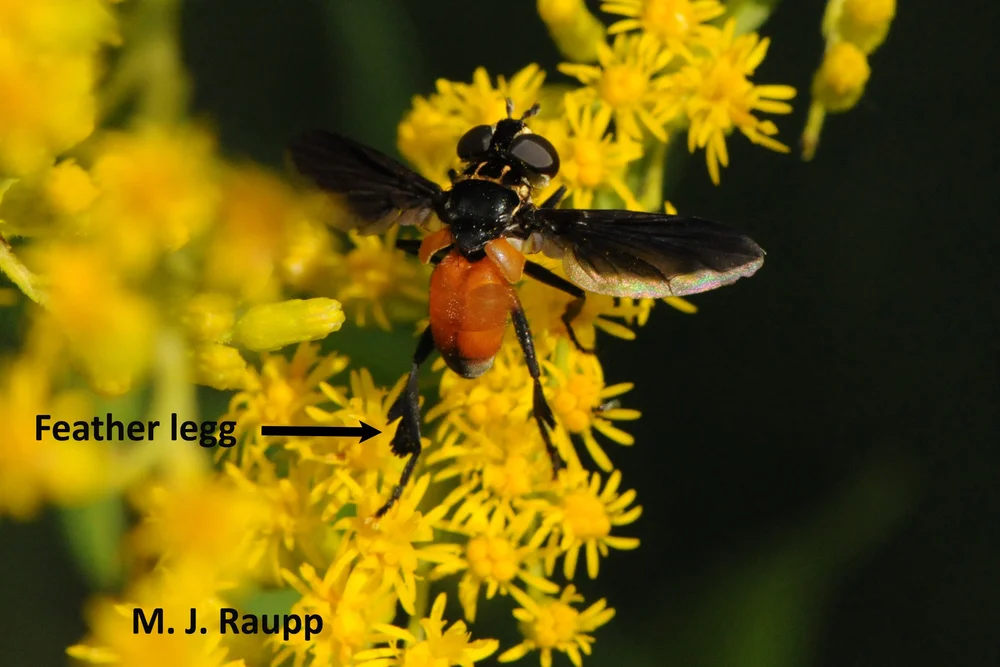
When feather-leg flies meet leaffooted bugs: Trichopoda pennipes and Acanthocephala spp.

Feather-leg flies, common visitors to goldenrods, tank-up on carbohydrates to power their search for members of the true bug clan that serve as hosts for their developing larvae.

Three weeks ago, we visited leaffooted bugs that dropped a leg to save their life. At the end of the video clip, we met a five-legged survivor of an apparent attack bedecked with two small white blobs attached to its back. We promised to revisit this bug to learn the story of the strange ornaments on its back. Here’s the deal. The white blobs on the back of the leaffooted bug are eggs deposited by a pretty parasitic fly known as a feather-legged fly. Feather-legged flies belong to a clan of parasitic flies called tachinids. Some tachinids attack caterpillars, including the nefarious gypsy moth caterpillar, but feather-legged flies have a penchant for attacking members of the “true bug” clan, insects with sucking mouthparts and immature stages called nymphs. Female flies tangle with their true bug victims and attach eggs to the exoskeleton of the host often in places where it is difficult for the host to remove them. Eggs hatch and fly larvae bore into the host to develop. When their development is complete, they exit, drop to the ground and pupate in the soil. Adults emerge from the soil to feed, mate, and find new bugs to attack and parasitize.

Three weeks ago we visited a leaffooted bug that dropped a leg to save its life. At the end of the video clip, we noticed two small white blobs attached to its back. The blobs are eggs deposited by a pretty parasitic tachinid fly known as a feather-legged fly. The eggs hatch and the fly larvae bore into the host to develop as they dine on their host. When their development is complete, the larvae exit, drop to the ground and pupate in the soil. Adults emerge from the soil to feed, mate, and find new bugs to attack and parasitize. Pretty feather-legged flies are common visitors to goldenrods in late summer and autumn. In addition to attacking native insects, feather-legged flies put a beat down on invasive pests like nefarious brown marmorated stink bugs.

But how do these smallish flies find their hosts in a very big world? Insects communicate in a variety of ways using sight, sound, and volatile chemicals to find and join other members of their species. Chemicals used for communication by members of the same species are called pheromones. In a series of fascinating studies, Jeff Aldrich and his colleagues discovered how these parasitic flies locate their victims. Many species of true bugs produce pheromones that serve as assembly calls for purposes of mating and defense. Tachinids use aggregation pheromones of true bugs for their own mischievous purpose, to find hosts that will serve as food for their parasitic offspring. While this tale may seem a little dark, the good news here is that native Trichopoda flies have joined other allies, including wheel bugs, garden spiders, robber flies, mantises, and wasps to stymie the shenanigans of invasive pests including the brown marmorated stink bug.     

Two white eggs deposited just behind the head of this leaffooted bug are the handiwork of a tachinid fly. They spell doom for this hapless hemipteran.

Acknowledgements

The intriguing references “The biology of Trichopoda pennipes Fab. (Diptera, Tachinidae), a parasite of the common squash bug by Harlan Worthley, “Bug pheromones (Hemiptera, Heteroptera) and tachinid fly host-finding” by Jeff Aldrich, Ashot Khrimian, Aijun Zhang, and Peter Sherer, and “Parasitism of the Invasive Brown Marmorated Stink Bug, Halyomorpha halys (Hemiptera: Pentatomidae), by the Native Parasitoid, Trichopoda pennipes (Diptera: Tachinidae)” by Neelendra K. Joshi, Timothy W. Leslie, and David J. Biddinger were used to prepare this episode.

This post appeared first on Bug of the Week

(877) 959-3534